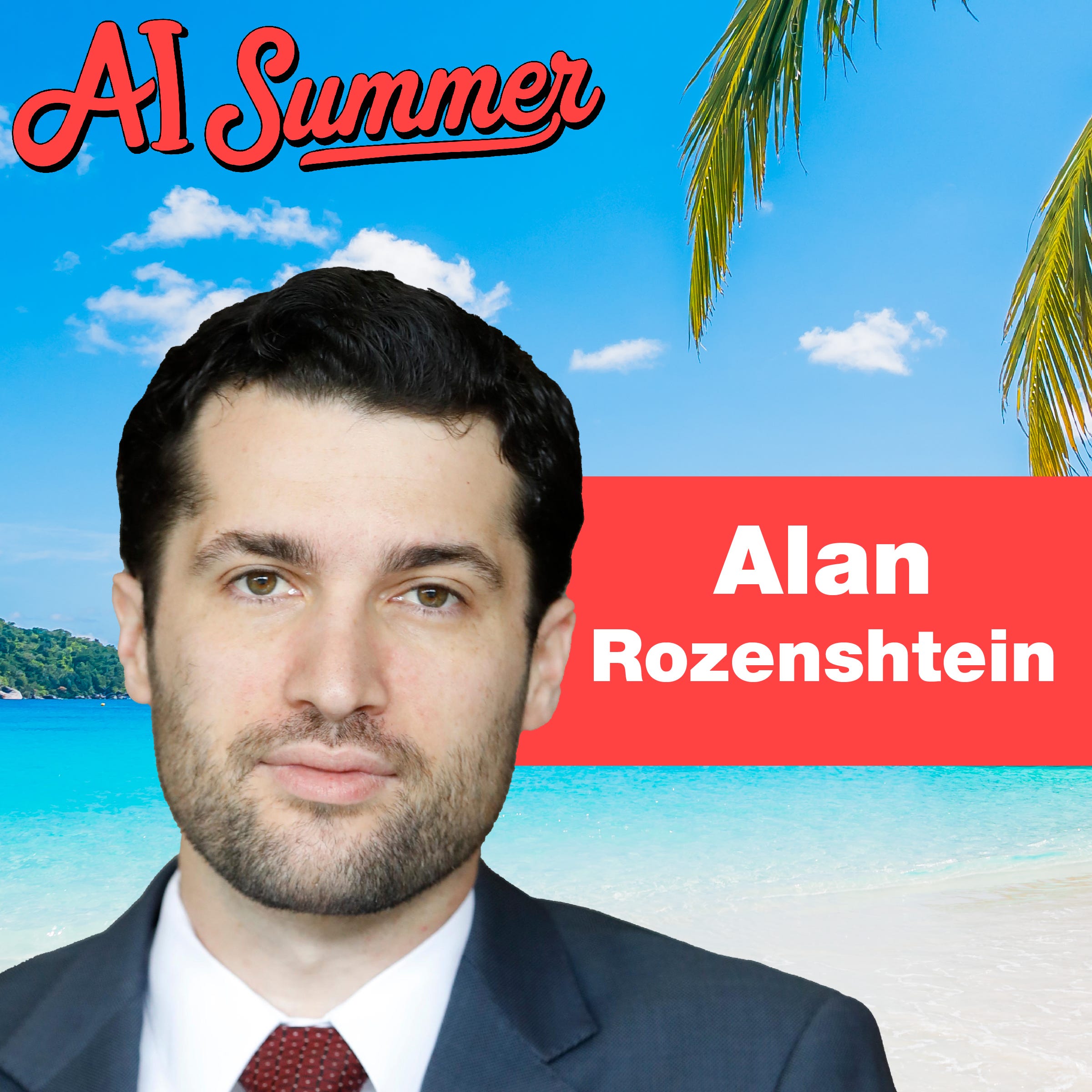


Last night, I called University of Minnesota law professor Alan Rozenshtein and asked him to help me decode the Commerce Department’s surprise decision to impose export controls on Anthropic’s Claude models.
Late on Friday, the Commerce Department ordered Anthropic to prevent any foreign national from accessing its Fable and Mythos models. This effectively forced the company to pull both offline for everyone worldwide. Rozenshtein walks through how the U.S. dual-use export-control regime gives the government sweeping authority over technologies with potential military applications, making this legally defensible even if the policy rationale is murky.
The trigger appears to have been a reported jailbreak vulnerability, but the administration’s response has been anything but coordinated: David Sacks says the government wants to work things out quickly, while Pete Hegseth celebrates kicking Anthropic out of the Defense Department “forever.” Rozenshtein draws a sharp contrast with the Biden administration’s diffusion rule—a comprehensive framework for controlling AI model exports that the Trump team scrapped as bad for business, only to improvise something more disruptive.
We also explore whether this marks the start of a permanent licensing regime for frontier models or a temporary overcorrection. Rozenshtein points out that much of the AI talent in Silicon Valley is foreign-born, and if the U.S. government starts looking as unpredictable as China’s, the long-term cost to American AI leadership could far exceed any short-term security gain. Can the administration build a coherent export-control policy for AI, or will the next frontier model trigger the same chaotic cycle all over again?